Presenting the world’s most sustainable biochar
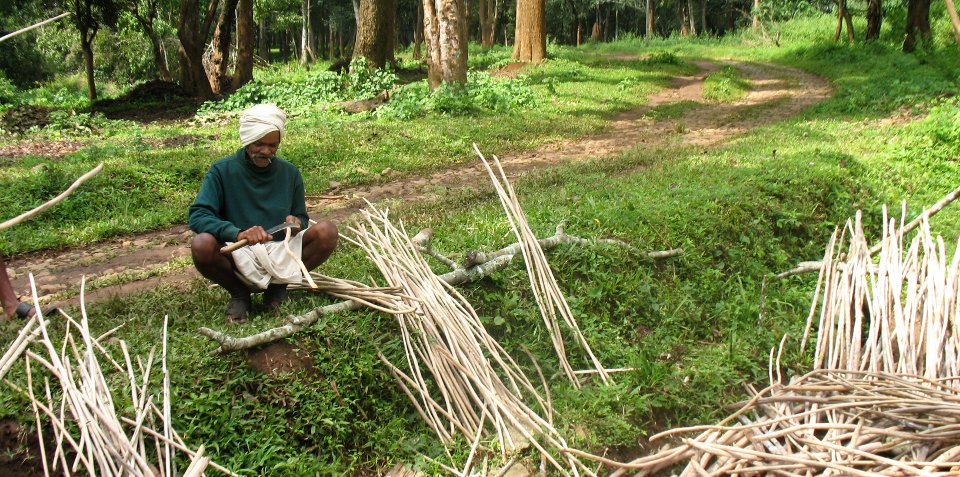
We’re making biochar by using the the world’s most invasive plant as biomass feedstock, harvested by a cooperative of indigenous forest tribes (Adivasi), in the state of Karnataka, South India.
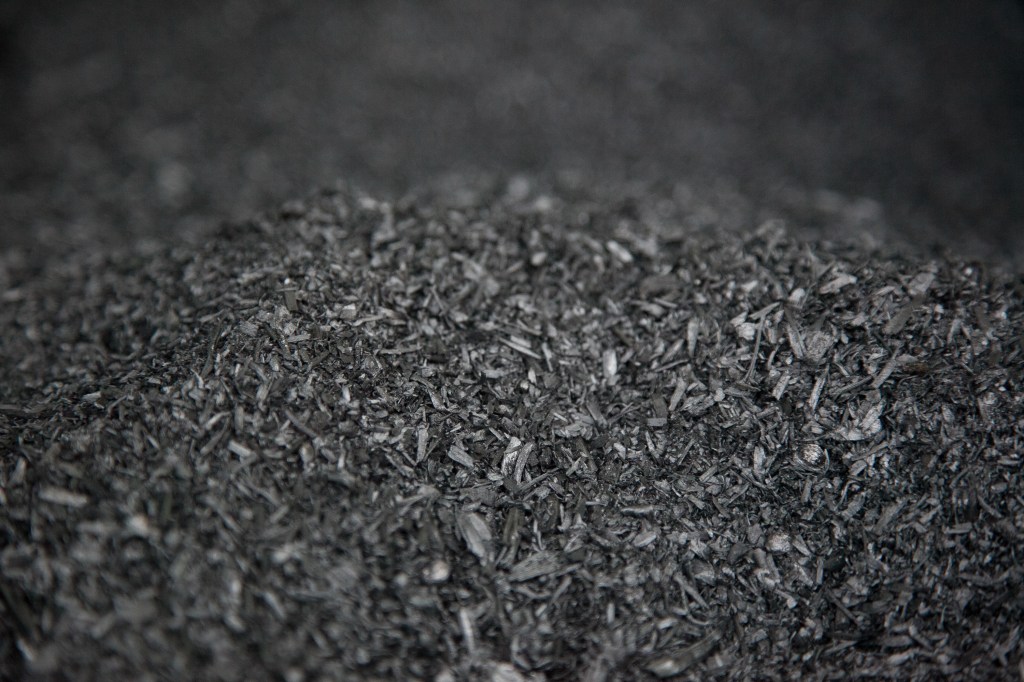
Biochar is a carbon rich material made by using biomass (wood and plant material) carbonised under high temperature in the absence of oxygen. The process of creating biochar is called pyrolysis.
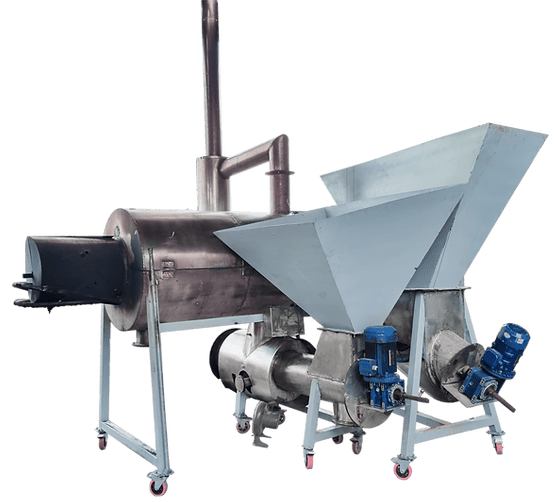
Pyrolysis happens through the burning of syngas, and the products of pyrolysis on biomass are bio-oils and biochar that is at least 80% elemental carbon.
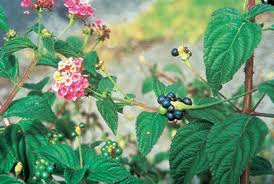
Lantana Camara
Considered one of the most invasive species in the world. It has invaded more than 60 countries, depleting biodiversity.
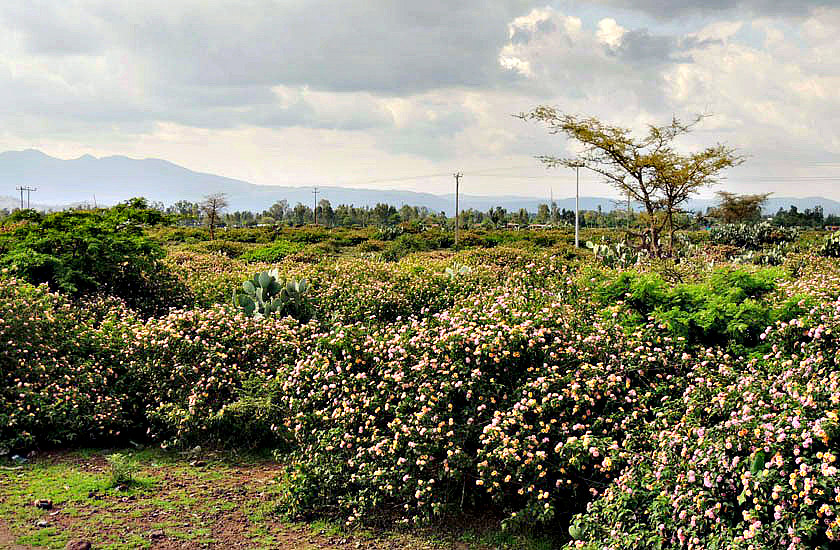
Lantana camara was found in 50% of Indian forest, or 303,607 sq km and has a global invasion potential of 11,000,000 sq km.
Several attempts have been made to control the spread of Lantana, with limited success. Economic measures such as converting Lantana into furniture is slow and laborious, and does not have the depth of demand to make a significant dent to counter the spread of Lantana.
Opportunity
MaionaCarbon is an innovative carbon sequestration project developer.
Our unique value proposition is that we use as our biomass feedstock lantana camara, a highly invasive woody shrub instead of commercial plantation wood* for the production of Biochar and other products.
The whole lifecycle will be tracked and verified through the relevant regulatory bodies.
* The problem with commercial biomass
The main worry of using plantation wood as biomass is two-fold. One is, that creating monoculture plantation wood removes land that could otherwise be used for agriculture, and two, there have been documented cases of communities removing existing forest to plant fast growing monoculture trees to create commercially available biomass.
Harvesting lantana
Harvesting of Lantana Camara, leading to 45 tonnes of carbon sequestration per hectare. Thirteen million hectares of lantana is available in India.
The removal of invasive lantana will increase biodiversity, open wildlife corridors and provide better forage for pollinators.
Commercial Value
Apart from 45 tonnes of carbon credits, approximately 100 tonnes of Biochar can be created from per hectare in the first year of operations.
Additionally, commercially important by-products such as activated carbon, lignin and cellulose can be chemically extracted through this process.
Pyrolysis emits additional heat that can be converted to electricity through an organic rankine cycle process.
Social Value
The indigenous (Adivasi) forest dwellers are allowed to harvest fruits of the forest, and will be best suited to harvest Lantana and aid in its control.
The project aims to form partner-led cooperatives and fairly compensate the Adivasi tribes by directly paying them for the Lantana harvest.
Price index
Carbon Credits
£120 tCO2e
Biochar
£500 per tonne
Lignin
£1700 per tonne
Cellulose
£900 per tonne
Activated Carbon
£7000 per tonne
Climate Resilience UK is a project of MaionaCarbon, Lewisham, London
Maiona UK Ltd. Contact joseph.devaraj@maiona.co.uk | 07495300785

